Yes or no Tarot
Explore three ways readers interpret yes or no questions, the symbolic associations of all 22 Major Arcana, and how to frame a useful question.
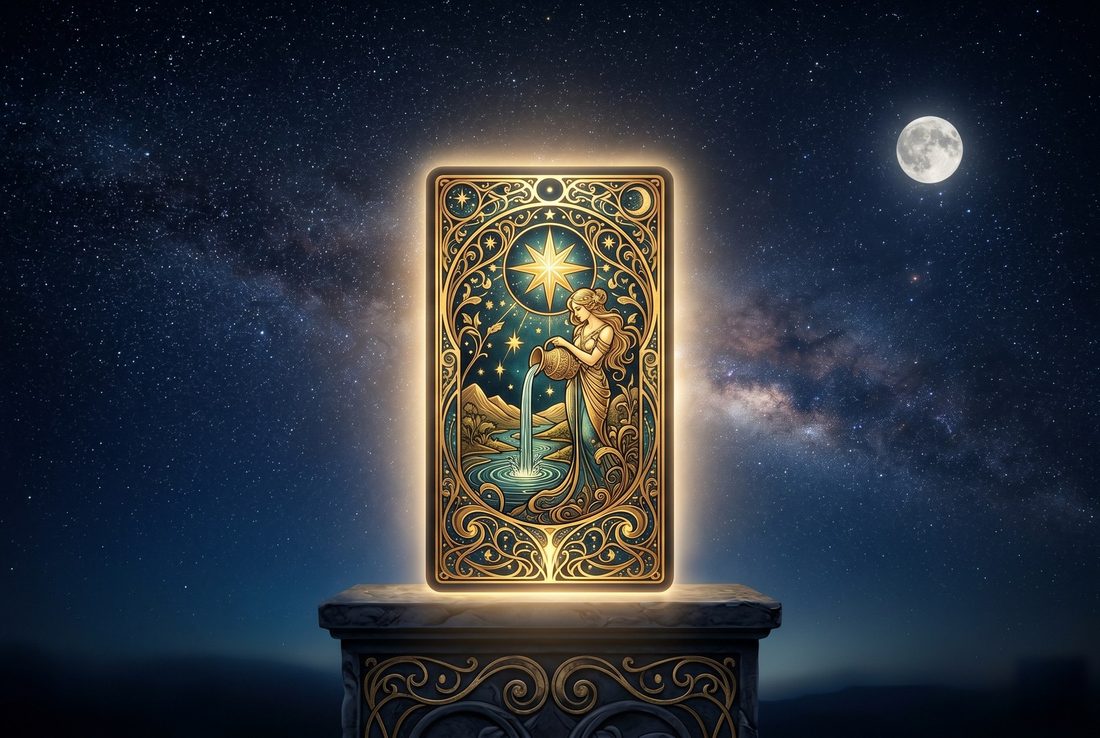
How Tarot is used for yes or no questions
Tarot works through images and nuance, but readers have developed conventions for yes or no questions too. No card means the same answer for everyone in every situation. The question, position and reading method shape the interpretation. Treat the result as a prompt, rather than evidence that an outcome will happen.
Three yes or no methods
Method 1. One card
Frame a clear question, shuffle and draw a card. In this method, a favourable upright card suggests yes; a reversed or challenging card suggests no or wait. Use this as a starting point for reflection.
Method 2. Three cards
Draw three cards and look at their overall tone. Mostly favourable cards are conventionally read as a qualified yes, mostly challenging cards as no or wait. More cards add themes to discuss, not proven predictive accuracy.
Method 3. Card and position
Draw a card and use its orientation as the first cue: upright leans towards yes, reversed towards no. Then add the card's meaning from the table below.
Symbolic yes or no associations of the Major Arcana
| Card | Upright position | Reversed position |
|---|---|---|
| The Fool | Yes, with a spontaneous approach | No, or not yet |
| The Magician | Yes, draw on your skills and resources | No, check what you may be overlooking |
| The High Priestess | Wait, make space for clarity | No, give it more time |
| The Empress | Yes, a theme of growth and abundance | No, explore what feels blocked |
| The Emperor | Yes, with effort and structure | No, build a firmer foundation |
| The Hierophant | Yes, through an established approach | No, question the existing framework |
| The Lovers | Yes, if it reflects your values | No, resolve the inner conflict |
| The Chariot | Yes, take a considered step forward | No, regain direction first |
| Strength | Yes, draw on your inner resources | No, rest and rebuild your strength |
| The Hermit | Yes, after reflection | No, consider whether you are too isolated |
| Wheel of Fortune | Yes, stay open to opportunity | No, reconsider the timing |
| Justice | Yes, with fairness and balance | No, look for an imbalance |
| The Hanged Man | Wait, allow a useful pause | No, look for a way out of the impasse |
| Death | Yes, if you accept change | No, explore resistance to change |
| Temperance | Yes, gradually and in balance | No, restore balance first |
| The Devil | No, examine attachments or constraints | No, begin by loosening old ties |
| The Tower | No, reconsider unstable foundations | No, address the disruption carefully |
| The Star | Yes, a theme of hope and renewal | No, reconnect with hope |
| The Moon | Unclear, check assumptions | No, examine the fears involved |
| The Sun | Yes, a confident symbolic answer | No, or yes with a delay |
| Judgement | Yes, if you are ready for change | No, allow more time |
| The World | Yes, a theme of completion | No, something remains unfinished |
How to frame a yes or no question
Questions suited to this format
Could this offer fit my priorities? Does taking action X align with my values? Am I ready to take a step? Keep two clear alternatives in mind, then use the reading to explore your reasons rather than outsource the decision.
Questions that need another format
What does someone think of me? asks about information the cards cannot verify. When will it happen? asks for a date Tarot cannot reliably supply. What should I do? is open-ended. A broader spread can provide reflective prompts, but it does not resolve those factual uncertainties.
Keep the limits in mind
Yes or no is a simple format, and it can miss important context. A fuller spread offers more themes to reflect on, but serious decisions still need real information and your own judgement. Try a reading in our online Tarot service.
How do you read Tarot for a yes or no question?
One common convention is to draw a card and read a favourable upright card as yes, and a reversed or challenging card as no or wait. Another uses the balance of three cards. These are interpretation methods, not reliable ways to establish facts or predict outcomes.
Which Tarot cards suggest yes?
Common yes associations include the Sun, Wheel of Fortune, Star, World and Magician. Readers connect them with confidence, opportunity, hope, completion and initiative. The question and position affect the interpretation.
Which Tarot cards suggest no?
The Tower, Devil, Moon, Hanged Man and High Priestess are often read as no, wait or look more closely. Some readers also use reversed positions this way. There is no universally binding rule.
Can I ask Tarot whether someone loves me?
You can ask, but a card cannot establish another person's feelings. A more useful prompt is: what am I noticing in this relationship, or what do I need to discuss? A reading can support reflection; a conversation gives you direct information.